

Best Artificial Grass for Gardens UK – Ultimate Buying Guide

When you’re investing in a garden transformation, choosing the right artificial grass matters. For UK homeowners seeking a green, tidy, low-maintenance lawn, synthetic turf offers a compelling alternative. But not all products are equal—quality, feel, durability and value vary widely. In this blog we’ll walk you through everything you need to know — from what makes the best artificial grass for gardens UK to how to interpret artificial grass UK prices, and why working with trusted experts can make all the difference.
Why Choose Artificial Grass for Your Garden?
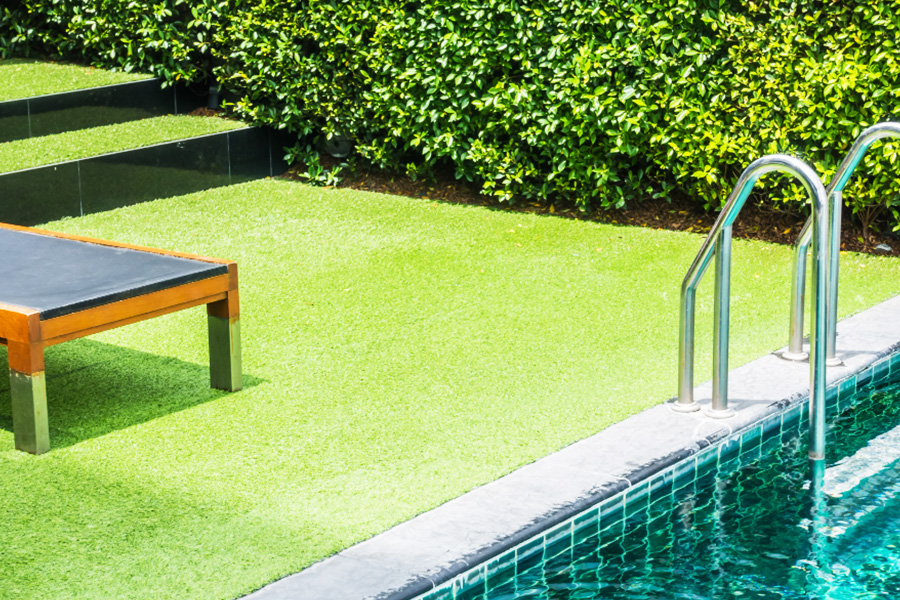
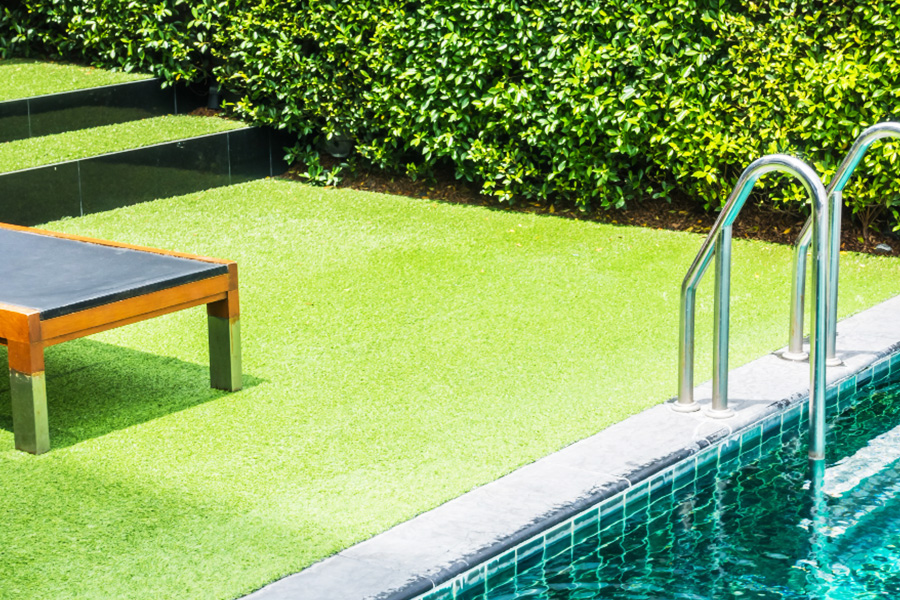
For many British gardens, maintaining a perfect natural lawn can be a constant battle: mowing, watering, patching, weed control, mud after rainfall, damage from pets and kids. Artificial grass removes much of that labour. It gives you a vibrant “just-cut” look year-round, even in shaded or damp spots. As one feature article explains: synthetic grass is increasingly chosen for its low-maintenance appeal in gardens.
There’s also the aesthetic and practical boost: a neat, green lawn can elevate the feel of a garden, make it more usable for children, pets and entertaining, and reduce mud or bare patches. For busy households or UK homes where natural turf struggles, high-quality artificial grass becomes a strong contender.
What to Look for in the Best Artificial Grass
To identify the best artificial grass for your garden you’ll want to focus on several key features:
Material & Construction
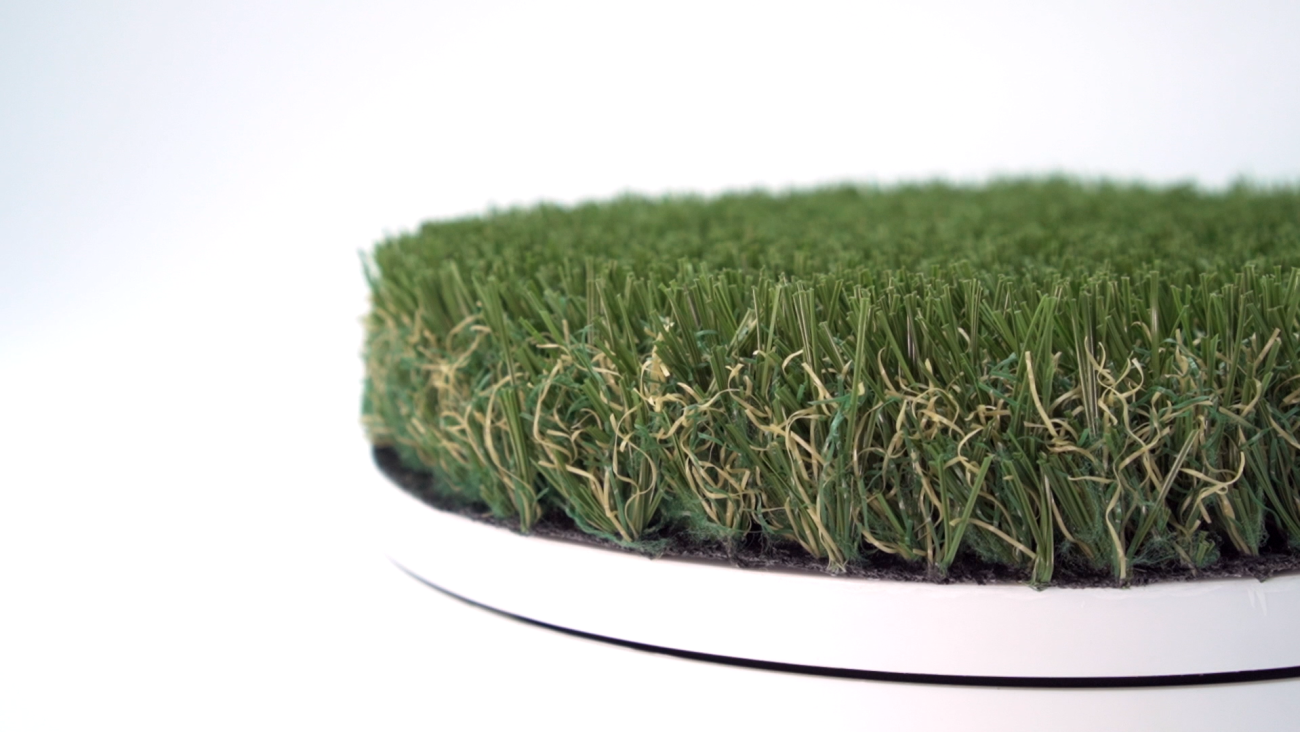
Artificial turf is typically made from synthetic fibres — most commonly polyethylene (soft and natural-looking), polypropylene (budget friendly but less durable) or nylon (very durable but more expensive).
Also important: the backing, drainage holes, UV protection and durability of the stitching. A good product will be designed to cope with UK weather and garden use.
Pile Height, Density & Drainage
- Pile height is the length of the grass blades: shorter (e.g., ~20-30 mm) suits high-traffic or practical lawns; longer (30-40 mm or more) gives a lush, premium look but may cost more.
- Density (stitches per square metre) affects how realistic and durable the lawn feels. One guide recommends ~16,500-18,000 stitches/m² as a strong all-round figure.
- Drainage is vital in the UK — turf must allow water to pass through or pool will accumulate. Good backing & perforation help.
Pet-Friendly, Child-Safe & Realistic Look
If you have pets or children, consider turf designed for play, which stands up to wear, doesn’t flatten, and allows drainage. Also, look for natural-tone fibre blends (not too bright green) so the surface doesn’t look “fake”. A garden is an outdoor living space, so realism counts.
Understanding Artificial Grass UK Prices
How much should you expect to pay for artificial grass in the UK? Let’s break that down.
Typical Price Ranges in the UK
- Some budget turf options are advertised from as low as £4-£6 per m² (or similar) for very basic rolls of limited durability.
- Mid to higher quality products typically range from £8-£30+ per m², depending on pile length, density, brand and backing.
- Full installation cost (including ground preparation, sub-base, labour) will add further cost — for some UK gardens these installation costs significantly raise the total figure.
What Affects Cost: Quality, Size & Installation
- Material quality: Premium fibres, UV stabilisation, denser stitching and better backing all add to price.
- Pile height & density: Longer, denser products cost more to manufacture — but look and feel better and will last longer.
- Installation & groundwork: Removing old turf/soil, creating a proper base, drainage, adhesives and labour all add cost. A quality install is vital to longevity.
- Area size & shape: Larger lawns yield better per-m² costs, irregular shapes increase waste and cutting/trimming, increasing cost.
- Brand and warranty: Branded turf from trusted installers may cost more upfront but can save replacement costs later.
In short: cheaper turf might save money today — but if it fades, wears, flattens or drains poorly you could end up replacing sooner than expected. As one guide warns: investing in quality matters for long-term value.
Why Trust a Specialist Like London Artificial Grass Company
When you’re investing in your garden, partnering with a trusted, local installer brings real benefits. For example, London Artificial Grass Company offers:
- A wide range of premium turf products (as shown on their website) and accessories.
- Professional installation service in London & the South-East with free samples, expert advice and quality guarantee.
- Assurance that the job is done right: correct sub-base preparation, drainage, edging, turf seaming and finish. These are critical to performance and longevity.
- Support after the install: maintenance tips, product support and supplier accountability.
For a homeowner wishing to avoid DIY pitfalls and secure the best outcome, choosing a specialist installer ensures you’re buying more than just the turf — you’re investing in a finished lawn you can enjoy for years.
Summary & Next Steps
Choosing the best artificial grass for your garden in the UK means balancing looks, durability, cost and installation quality. Keep these take-aways in mind:
- Prioritise material quality, realistic finish, appropriate pile height and good drainage.
- Understand that artificial grass UK prices vary widely — from budget options to premium levels — and installation costs must be factored in.
- The cheapest option today may cost you more later; value comes from durability and fit-for-purpose design.
- Working with a professional installer such as London Artificial Grass Company offers peace of mind and quality assurance.