

How to Choose the Right Artificial Grass for Your Property

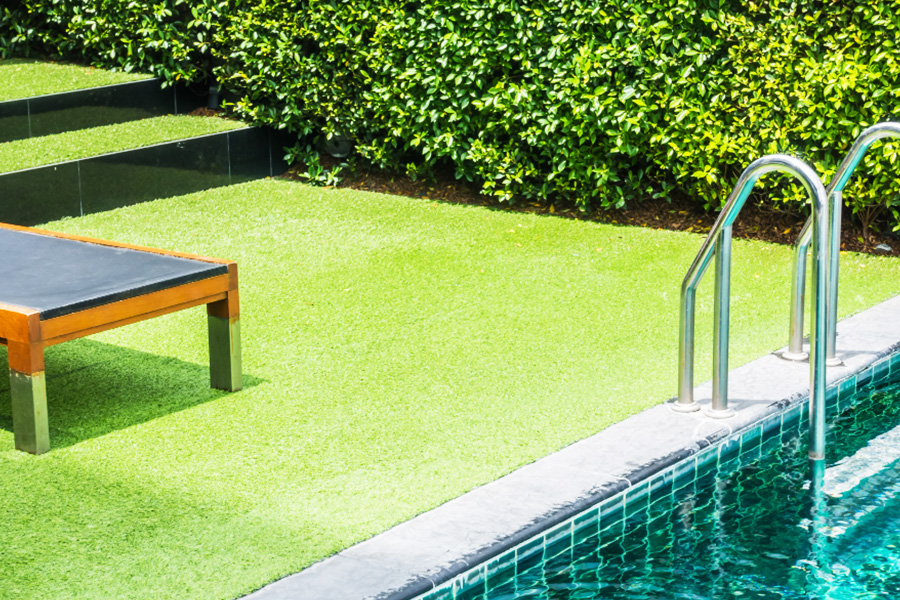
Artificial grass has become an increasingly popular landscaping choice in the UK, offering a low-maintenance, year-round green solution for homeowners, businesses, and even public spaces. Whether you’re looking to upgrade your garden, create a child-friendly play area, or refresh a commercial property, selecting the right type of artificial turf is crucial for a long-lasting and visually pleasing result.
But with so many options available on the market, how do you decide which product is best for your needs—and your budget?
In this guide, we’ll walk you through the essential considerations for choosing the right artificial grass, how to install artificial grass on soil, and what to know about artificial grass UK prices.
Why Choosing the Right Artificial Grass Matters
Artificial turf is an investment, and not all products are created equal. The right choice can enhance your outdoor space for years, while the wrong one can result in a patchy, uncomfortable, or unattractive surface that deteriorates quickly.
When selecting your turf, you should evaluate:
- Your intended use (e.g., residential lawn, pet area, sports surface)
- Aesthetic preferences (colour, blade length, texture)
- Budget
- Installation surface and method
Making an informed choice ensures your artificial grass not only looks great but performs well over time.
Step 1: Define the Purpose of Your Lawn
Start by considering how the space will be used:
Residential Gardens
If you’re installing turf in a typical home garden, look for a product with a soft feel, natural colour tones, and good drainage. A pile height between 25–35mm often offers the most realistic lawn appearance and feel underfoot.
Pet Areas
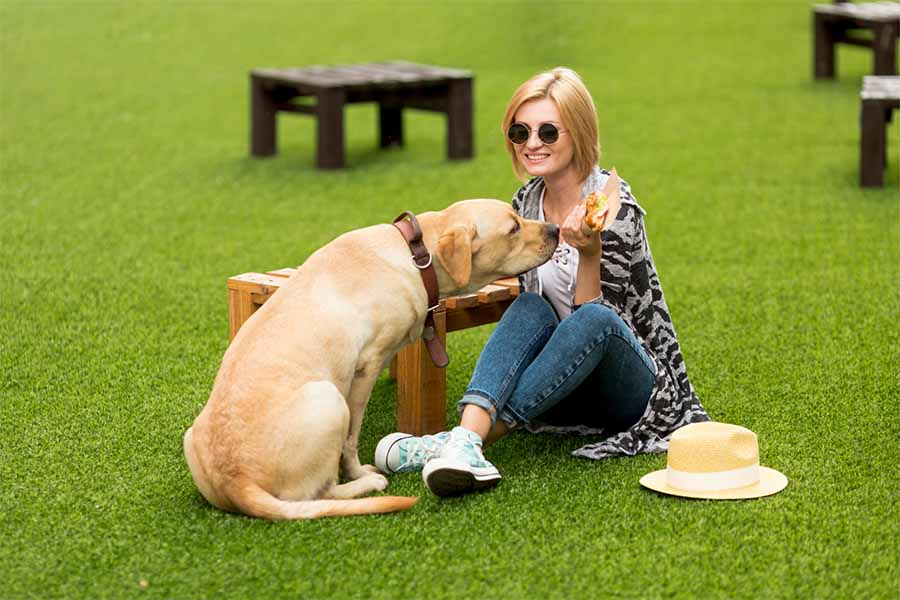
For dog owners, opt for artificial grass with excellent drainage and antimicrobial backing. Shorter pile heights (around 20–25mm) are easier to clean and more resistant to wear from pet activity.
Children’s Play Areas
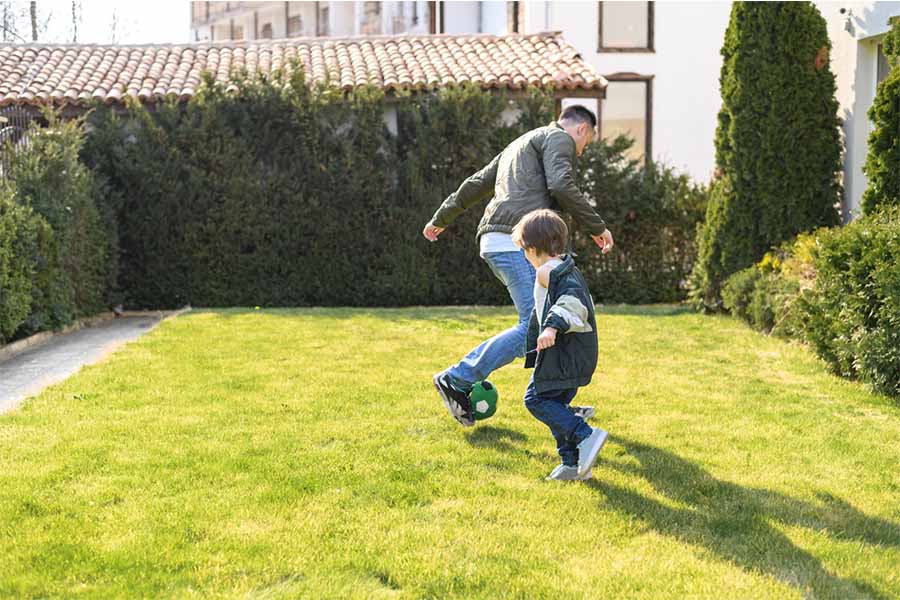
When safety is a concern, consider installing underlay shock pads beneath the grass to soften falls. Choose turf that is durable, certified non-toxic, and cushioned for comfort.
Commercial Properties or Events
For public or high-footfall areas, durability and visual appeal are key. A medium pile height with high-density fibres works well for a lush but tough finish.
Step 2: Evaluate the Turf’s Features
Not all artificial grass is created equal. Here are the top features to consider:
1. Pile Height
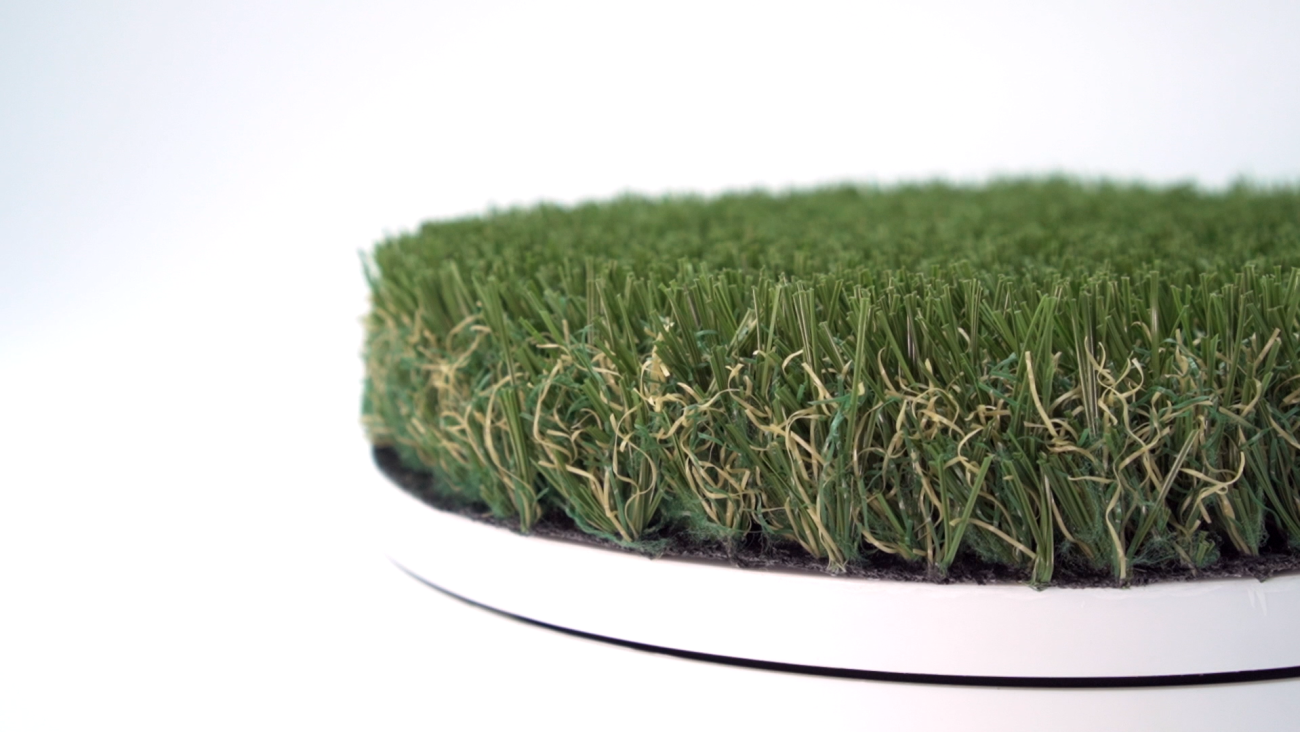
This refers to the length of the blades. While longer blades (35mm+) can look more luxurious, they may flatten with heavy traffic. Medium pile heights (25–30mm) strike a balance between realism and durability.
2. Density and Stitch Rate
High-density grass feels fuller and tends to wear better over time. A dense stitch rate will also give your lawn a more premium, natural look.
3. Colour Tones
Natural grass is not one uniform shade. The best artificial grasses incorporate multiple green tones (and even some brown flecks) to simulate the appearance of real turf.
4. Backing Quality
The backing should be strong and durable. Look for double-layered, UV-stabilised backing to prevent shrinkage and fading over time. If you plan to install artificial grass on soil, choose a product with perforated holes for drainage.
5. UV Resistance
This is essential for preventing your turf from fading in sunlight. Reputable suppliers will always ensure their grass is UV-stabilised, which is critical for longevity—especially in areas with high sun exposure.
Step 3: Understand Artificial Grass UK Prices
When comparing artificial grass UK prices, it’s important to remember that cost varies based on quality, brand, and supplier. Here’s a general pricing breakdown:
| Quality Level | Price per m² (approx.) | Features |
| Budget Range | £7–£12 | Thin pile, basic texture, limited durability |
| Mid-Range | £13–£20 | Natural appearance, good resilience, comfortable |
| Premium | £21–£35+ | Lush, dense, realistic, long-lasting, child/pet safe |
Don’t forget to factor in installation costs, which can range from £20–£40 per m² depending on surface preparation and site conditions.
Tip: It’s always wise to request free samples before committing. This allows you to compare textures and colours in your own space and lighting conditions.
Step 4: Consider How You Will Install It
Installation plays a huge role in the performance of your lawn. Whether you’re doing it yourself or hiring professionals, understanding the process—especially if you plan to install artificial grass on soil—is essential.
How to Install Artificial Grass on Soil (Simplified Steps):
- Clear the Area: Remove any existing turf, rocks, or debris.
- Excavate: Dig down about 75–100mm to allow space for the base layers.
- Add Sub-Base: Use crushed aggregate or MOT Type 1, and compact it well to create a stable base.
- Lay a Weed Membrane: Prevent unwanted growth beneath the turf.
- Add a Layer of Sharp Sand or Granite Dust: Level the surface and compact.
- Roll Out the Grass: Let it settle for a few hours to remove creases.
- Cut and Join Sections: Trim edges and join seams using adhesive or joining tape.
- Secure the Edges: Use landscape pins or secure to timber edging.
- Brush Up the Pile: Use a stiff broom to lift the blades for a natural look.
Installing on soil provides excellent drainage and a cushioned feel, but correct preparation is key for durability.
Step 5: Choose a Reputable Supplier
Finally, buy your artificial turf from a trusted UK supplier. Here’s what to look for:
- Positive customer reviews and testimonials
- Quality guarantees (e.g., 8–10 year UV warranty)
- Options for pet- and child-friendly turf
- Transparent artificial grass UK prices
- Installation support or certified installer network
Look for businesses that demonstrate E-E-A-T (Experience, Expertise, Authoritativeness, and Trustworthiness) in the artificial turf industry. Choose suppliers that have clear installation guidance, expert staff, and environmentally responsible practices.
Final Thoughts
Choosing the right artificial grass is more than just selecting the greenest product on the shelf. It involves evaluating your space, understanding your needs, assessing technical features, and balancing quality with cost.
Whether you’re planning to install artificial grass on soil for a family garden or comparing artificial grass UK prices for a pet-friendly space, doing your research will ensure you make a smart and lasting investment.